
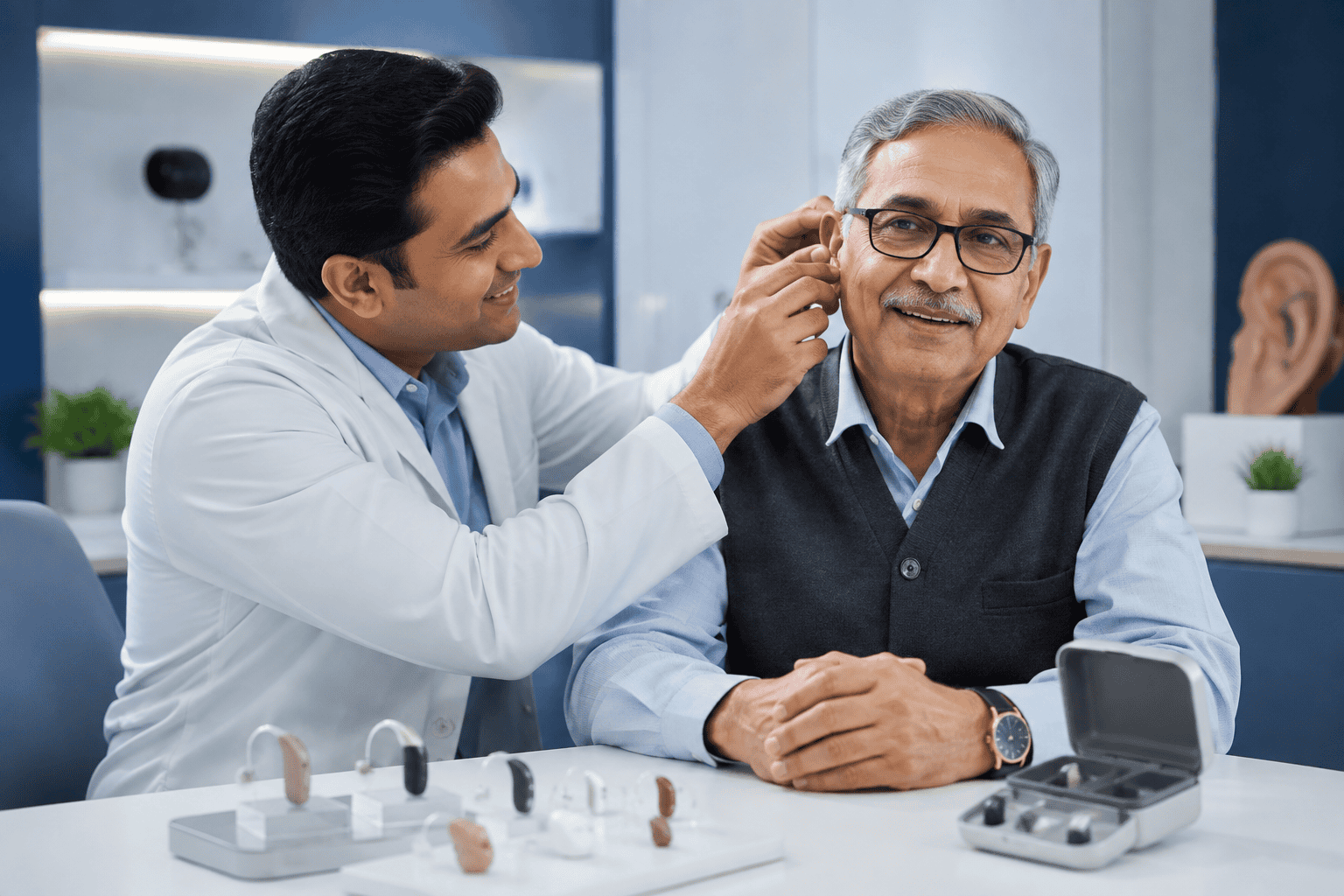
Finding the best hearing aid is not simply about choosing the most expensive device or the one with the highest number of features. Every person’s hearing needs, lifestyle, comfort preferences and budget can be different. A hearing aid that works well for one person may not necessarily be the right choice for another.
If you or a family member is finding it difficult to hear conversations, television, phone calls or sounds in crowded places, it may be worth getting your hearing checked and discussing suitable hearing solutions with a hearing care professional.
Today, modern hearing aids are available in different styles and with features designed for everyday situations. Depending on the individual’s needs, options may include rechargeable hearing aids, discreet devices, Bluetooth-enabled models and hearing aids designed for different levels of hearing loss.
For people in Sirsa, Hisar, Rohtak, Hanumangarh and Bathinda, getting the right guidance locally can make the process easier. Hear At Home focuses on convenient hearing care and helps people understand their options before choosing a hearing solution.
In this guide, we will explain what to consider when looking for the best hearing aid, the different types available, important features, pricing considerations and how professional guidance can help you make a more informed decision.
What Makes the Best Hearing Aid?
There is no single hearing aid that can be called the best for everyone. The right choice depends on several factors, including the person’s hearing needs, lifestyle, daily environment and personal preferences.
When comparing the best hearing aid options, consider the following:
- Your hearing assessment results
- Hearing aid style and size
- Comfort and fit
- Sound quality
- Battery or rechargeable options
- Connectivity features
- Ease of use
- Your daily listening environments
- Budget
- Availability of professional support and after-sales service
For example, someone who mainly has conversations at home may have different requirements from someone who regularly attends meetings, travels or spends time in busy environments.
This is why choosing the best hearing aid should begin with understanding your hearing requirements rather than selecting a device based only on its appearance or price.
Why a Hearing Test Should Come Before Choosing a Hearing Aid
Before purchasing a hearing aid, it is important to understand your hearing needs. A hearing assessment can provide useful information about the type and degree of hearing difficulty.
A hearing care professional can use the assessment results to recommend suitable options.
Trying to select the best hearing aid without understanding your hearing requirements can make the decision unnecessarily difficult. Different hearing devices may be designed or programmed for different hearing needs.
A professional consultation can also help you understand:
- Which hearing aid style may suit you
- What features you actually need
- How the device should be fitted
- How to use and maintain the device
- What to expect when adapting to amplification
If you are in Sirsa, Hisar, Rohtak, Hanumangarh or Bathinda, consider arranging a hearing consultation before making your purchase.
Types of Hearing Aids to Consider
Modern hearing aids are available in several designs. The right option depends on factors such as hearing requirements, comfort, dexterity, lifestyle and personal preference.
Behind-the-Ear Hearing Aids
Behind-the-ear, or BTE, hearing aids sit behind or around the ear and connect to an earpiece or earmould.
They are available in different designs and may be suitable for a range of hearing needs.
Their larger size can also make certain controls easier to handle for some users.
Receiver-in-Canal Hearing Aids
Receiver-in-canal, or RIC, hearing aids generally have a small device that sits behind the ear, with the receiver positioned closer to or inside the ear canal.
Many people prefer this style because of its relatively discreet appearance and lightweight design.
In-the-Ear Hearing Aids
In-the-ear, or ITE, hearing aids are designed to sit within the outer portion of the ear.
They can offer a more integrated appearance and may be easier for some people to handle compared with very small devices.
Completely-in-Canal and Other Discreet Options
Some hearing aids are designed to sit deeper within the ear canal. These options may appeal to people who prioritise discretion.
However, smaller does not automatically mean better. Handling, battery life, features and suitability for the person’s hearing needs should also be considered.
Therefore, when searching for the best hearing aid, look beyond size and appearance.
Important Features to Look for in the Best Hearing Aid
Technology has changed significantly in modern hearing aids. However, more features do not always mean a better choice.
The useful features depend on how and where you use your hearing aids.
Rechargeable Batteries
Rechargeable hearing aids can be convenient because you do not need to replace disposable batteries regularly.
They can be particularly useful for people who prefer a simple daily charging routine.
When comparing the best hearing aid options, ask about expected battery performance, charging arrangements and what happens if the device runs out of charge.
Bluetooth Connectivity
Some modern hearing aids can connect wirelessly with compatible smartphones and other devices.
Depending on the model and compatibility, this can make activities such as phone calls or audio streaming more convenient.
If you spend considerable time on phone calls, Bluetooth connectivity may be a feature worth discussing with your hearing care professional.
Noise Management
Everyday environments can contain background noise from traffic, fans, conversations, restaurants and other sources.
Some hearing aids include technology intended to help manage background noise and make listening more comfortable.
However, expectations should remain realistic. No hearing aid can make every noisy environment completely quiet.
Directional Microphones
Certain hearing aids use microphone technology designed to focus more on sounds coming from particular directions.
This may be useful during face-to-face conversations, depending on the environment and device.
Volume and Program Controls
Some users prefer simple automatic operation, while others may want greater control over listening programs or volume.
When selecting the best hearing aid, consider whether you or the person using it will be comfortable operating the controls.
How Much Does the Best Hearing Aid Cost?
Hearing aid prices can vary considerably depending on technology, design, features, brand, fitting requirements and after-sales support.
Instead of choosing a device solely based on the lowest or highest price, consider the overall value.
A cheaper device may not provide the features or support you need, while a premium model may include features that you may not actually use.
When discussing the best hearing aid within your budget, ask the provider about:
- Device price
- Fitting and programming
- Follow-up support
- Warranty
- Maintenance
- Accessories
- Charging equipment
- Repair or service arrangements
Understanding the complete cost can help you avoid unexpected expenses later.
Best Hearing Aid for Senior Citizens: What Should You Consider?
Older adults may have specific practical preferences when selecting hearing aids.
For some senior citizens, ease of handling can be particularly important. Very small hearing aids may look discreet but could be difficult for someone with limited finger dexterity to insert, remove or adjust.
Other useful considerations include:
- Easy-to-use controls
- Comfortable fit
- Rechargeable options
- Clear instructions
- Reliable support
- Regular follow-up
- Family assistance when required
The best hearing aid for senior citizens is therefore not necessarily the smallest or most advanced model. It should be an option that suits the individual’s hearing requirements and is practical for everyday use.
Family members can also participate in consultations so they understand how to help with cleaning, charging and basic handling.
Choosing the Best Hearing Aid for Different Lifestyles
Your daily routine should influence your hearing aid choice.
If You Mostly Stay at Home
If your main listening situations involve conversations with family members, watching television or speaking to visitors, you may not need every advanced feature available.
Comfort, clear amplification and ease of use may be higher priorities.
If You Work in an Office
Office environments can include conversations, meetings, phone calls and background sounds.
If you regularly participate in meetings or use a smartphone, connectivity and speech-focused features may be worth discussing.
If You Travel Frequently
People who travel may encounter airports, railway stations, vehicles, restaurants and other changing listening environments.
In such situations, convenience, battery performance and automatic listening features may be useful considerations.
If You Regularly Attend Social Gatherings
Restaurants, family functions and gatherings can involve multiple people speaking at the same time.
Discuss hearing aid features designed to manage complex listening environments with your hearing care professional.
There is no universal best hearing aid for every lifestyle. The better approach is to match the device to the situations you experience most often.
Common Mistakes to Avoid When Buying a Hearing Aid
Choosing a hearing aid is an important decision. Avoiding a few common mistakes can make the process easier.
Buying Only on Price
The cheapest hearing aid may not necessarily be the right option, while the most expensive one may offer features you do not need.
Compare suitability, features, fitting and support rather than price alone.
Choosing Based Only on Brand
A well-known brand can offer quality products, but the brand name alone does not determine whether a particular model is suitable for you.
The device should be appropriate for your hearing needs and lifestyle.
Focusing Only on Appearance
Discreet design can be important, but comfort, usability and performance should also be considered.
Not Asking About After-Sales Support
Hearing aids may require adjustments, cleaning, maintenance or troubleshooting.
Before purchasing, ask what support is available after the sale.
Expecting Immediate Perfect Results
Adapting to hearing aids can take time. Your brain may need time to become accustomed to amplified sounds.
Follow-up appointments can help address comfort or listening concerns and allow adjustments where appropriate.
Why Professional Hearing Aid Fitting Matters
Buying a hearing aid is different from buying a regular electronic product. The device needs to be appropriate for the user’s hearing requirements and comfortable for everyday use.
Professional fitting and follow-up can help ensure that the hearing aid is set up appropriately.
A hearing care professional can also explain how to:
- Insert and remove the device
- Clean it correctly
- Charge or replace batteries
- Use available controls
- Connect compatible devices
- Store the hearing aid safely
- Identify when professional assistance may be required
This support is an important part of choosing the best hearing aid for long-term everyday use.
Hearing Care in Sirsa, Hisar, Rohtak, Hanumangarh and Bathinda
Finding hearing care close to home can make consultations and follow-up more convenient.
Hear At Home serves people looking for hearing care support across locations including Sirsa, Hisar, Rohtak, Hanumangarh and Bathinda.
Whether you are researching hearing aids for yourself or helping a parent or family member, professional guidance can help you understand the available options.
Instead of selecting a best hearing aid based solely on online advertisements or recommendations from friends, discuss your individual requirements with a hearing care professional.
Local hearing support can also be useful for follow-up questions, device handling and general hearing care guidance.
Conclusion
Choosing the best hearing aid is ultimately about finding a device that fits your hearing requirements, lifestyle, comfort preferences and budget.
Rather than selecting a hearing aid based only on price, brand or appearance, begin with a hearing assessment and professional guidance. Consider the situations in which you most need hearing support, whether that is conversations at home, phone calls, work meetings, television or social gatherings.
Features such as rechargeable batteries, Bluetooth connectivity and noise-management technology can be useful, but the right combination depends on your individual needs.
If you are looking for hearing care in Sirsa, Hisar, Rohtak, Hanumangarh or Bathinda, Hear At Home can help you understand your hearing care options and take the next step towards making an informed decision.
Ready to explore your hearing options? Contact Hear At Home to discuss your hearing needs and learn more about suitable hearing aid solutions.
FAQs
Start with a hearing assessment and professional consultation. Then compare suitable hearing aid styles, features, comfort, battery options, connectivity, cost and after-sales support.
Not necessarily. A higher-priced device may include advanced features that are not required by every user. The better choice is one that matches your actual hearing and lifestyle needs.
Rechargeable hearing aids can be convenient, particularly for people who prefer not to change disposable batteries. Whether they are the right choice depends on individual preferences and requirements.
The adjustment period can vary from person to person. Some people adapt quickly, while others may need more time and follow-up adjustments.
If a hearing assessment indicates that hearing amplification may be appropriate, a hearing care professional can discuss suitable options. Ease of handling, comfort and ongoing support can be important considerations for older adults.