
Hearing aids play an important role in helping people hear conversations, participate in family activities, and stay connected with the world around them. Like other electronic devices, they need regular cleaning, proper handling, and periodic professional servicing to work reliably. Understanding hearing aid maintenance can help you protect your investment, reduce avoidable problems, and enjoy a more comfortable hearing experience.
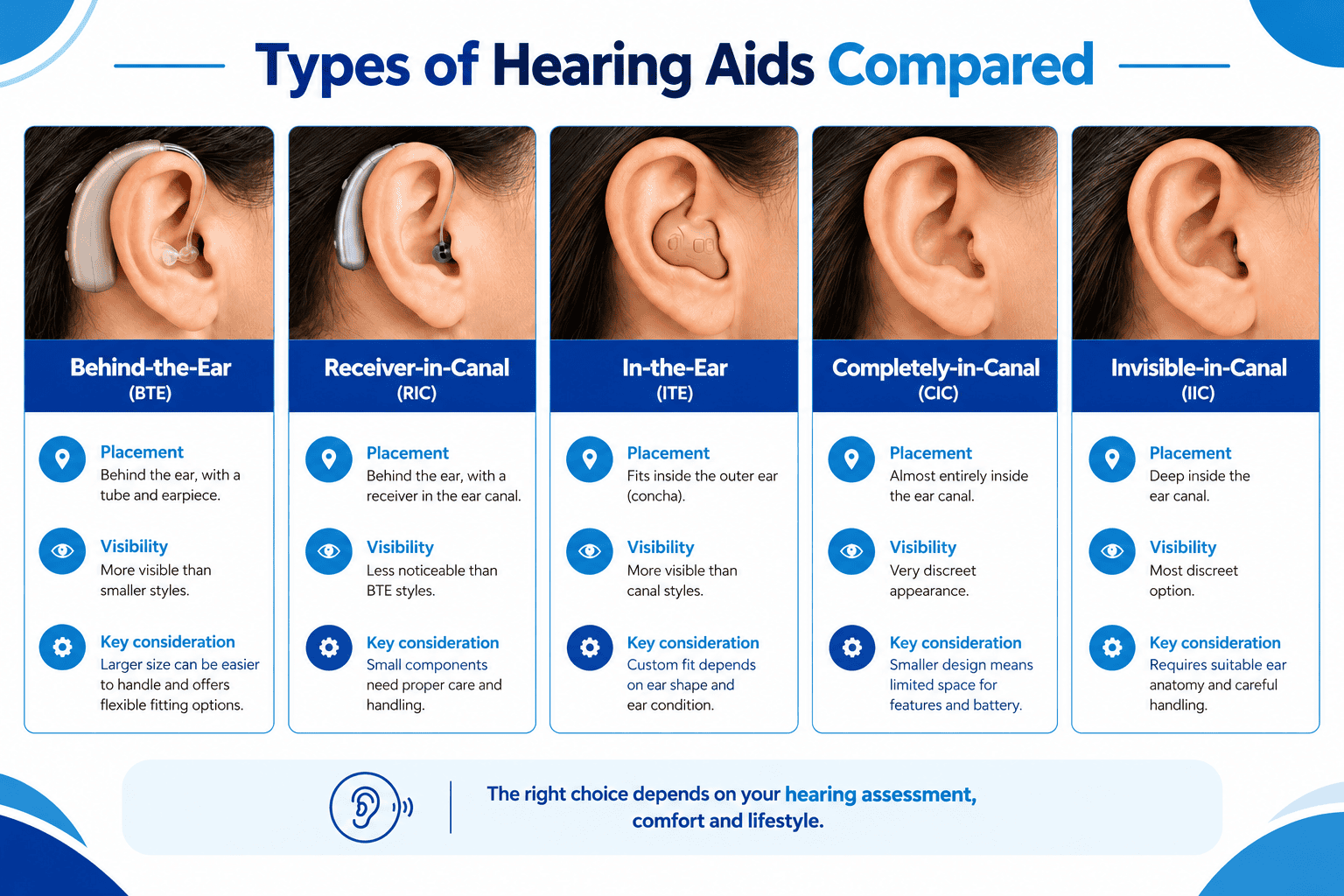
Whether you use behind-the-ear (BTE), receiver-in-canal (RIC), or in-the-ear (ITE) hearing aids, following a consistent care routine is essential. Earwax, moisture, dust, and everyday handling can affect device performance over time. Neglecting these issues may lead to weak sound, intermittent functioning, or blocked sound outlets.
But how often should you clean your hearing aids? When should you arrange professional servicing? And which maintenance tasks can you safely perform at home?
In this guide, Hear At Home explains how often hearing aids should be checked, how to maintain them at home, which warning signs to look out for, and when to seek professional assistance. We also cover practical advice for hearing aid users in Sirsa, Hisar, Rohtak, Hanumangarh, and Bathinda.
1. How Often Should Hearing Aids Be Serviced?
There is no single servicing schedule that suits every hearing aid. The ideal frequency depends on the device model, your earwax production, exposure to moisture and dust, daily usage, and the manufacturer’s recommendations.
However, the following schedule provides a useful starting point for most hearing aid users.
Daily Cleaning and Inspection
Frequency: Every day
Daily care is the foundation of effective hearing aid maintenance. After removing your devices, inspect them for visible earwax, moisture, dust, or debris.
Use a clean, dry, soft cloth to wipe the external surfaces. Check the microphone openings and sound outlet for visible blockage. If your device has a removable earmould or wax filter, follow the manufacturer’s instructions for checking these components.
For rechargeable hearing aids, place the devices in their designated charger as instructed. For models that use disposable batteries, follow the recommended battery-handling and storage instructions.
Avoid using water, household cleaners, alcohol, or sharp objects unless the manufacturer specifically permits the product or procedure.
Weekly Cleaning and Component Checks
Frequency: Once a week, or as recommended
A weekly inspection allows you to identify problems before they interfere with everyday use.
Depending on your hearing aid model, check:
The earmould or ear tip for visible earwax.
The wax filter for blockage.
The tubing for cracks, stiffness, or moisture.
The external casing for visible damage.
The charging contacts for dirt or debris.
The battery compartment, where applicable, for signs of corrosion or contamination.
Not every hearing aid requires all these checks. Some devices have sealed designs, while others contain replaceable filters or tubing.
Use only the cleaning tools supplied or recommended for your model. If a component is difficult to remove, do not force it.
Professional Servicing Every Three to Six Months
Frequency: A practical starting point, adjusted to your needs
Many users benefit from arranging a professional hearing aid check approximately every three to six months. However, this is a general guideline rather than a universal rule. Some devices or users may need more frequent attention, while others may follow a different schedule specified by the manufacturer or hearing care professional.
A professional check may include cleaning accessible components, inspecting the microphone and receiver, checking tubing and filters, assessing battery or charging performance, and identifying visible wear.
Your hearing care professional may also review how comfortably the devices fit and whether they continue to meet your hearing needs.
If your hearing aids frequently become blocked by earwax or are exposed to heavy perspiration, you may need more frequent checks.
Annual Hearing and Device Review
Frequency: Approximately once a year, or as advised
An annual review is a useful opportunity to discuss your hearing experience, assess device performance, and determine whether any adjustments are needed.
Depending on your circumstances, the appointment may include a hearing assessment, a review of your hearing aid settings, and an examination of the devices.
If you notice changes in your hearing before the scheduled review, do not wait for the annual appointment. Arrange an assessment promptly.
2. Why Is Regular Hearing Aid Maintenance Important?
Hearing aids are small, sophisticated electronic devices that operate in an environment where earwax, skin oils, moisture, and temperature changes are common.
Regular hearing aid maintenance helps address these everyday challenges.
Helps Keep Sound Clear
Earwax and debris can obstruct the sound outlet or microphone openings. Cleaning your hearing aids as recommended can help prevent avoidable blockages that affect sound quality.
If your device suddenly sounds weak or unclear, inspect it for visible blockage and check the troubleshooting instructions before assuming it needs replacement.
Helps Identify Small Problems Early
Routine inspection can reveal worn tubing, damaged ear tips, loose components, or charging difficulties.
Finding these issues early may make repairs simpler, although the outcome depends on the type and extent of the damage.
Supports Reliable Everyday Use
Hearing aids are often used throughout the day at home, at work, while travelling, and during social activities. A consistent maintenance routine helps users identify problems before they disrupt these activities.
For older adults who depend on their hearing aids for everyday communication, reliable device care can be particularly valuable.
Helps Protect Your Investment
Hearing aids can represent a significant expense. Correct cleaning, safe storage, and timely professional checks help protect the devices from avoidable damage.
However, maintenance cannot prevent every fault or guarantee a particular lifespan. Battery performance, component wear, manufacturing defects, and environmental exposure can all affect long-term reliability.
3. How to Clean Your Hearing Aids at Home
You do not need complicated equipment for everyday hearing aid maintenance. The key is to use the correct tools and follow the instructions supplied with your device.
Step 1: Remove the Hearing Aids Carefully
Remove your hearing aids according to the manufacturer’s instructions. Switch them off if required by your model.
For rechargeable devices, follow the recommended procedure before placing them in the charger.
Handle your hearing aids over a clean, soft surface so that they are less likely to be damaged if dropped.
Step 2: Wipe the External Surface
Use a clean, dry, soft cloth to remove dust, skin oils, and surface residue.
Avoid soaking the devices or exposing them to running water. Even hearing aids described as water-resistant should not automatically be treated as waterproof.
Step 3: Check the Microphone Openings
Microphones are important for picking up sounds around you. Dust or debris covering their openings may affect performance.
Use only the recommended brush or cleaning tool. Brush gently and avoid pushing debris further into the openings.
Do not insert pins, needles, or other sharp objects into the microphone ports.
Step 4: Inspect the Earwax Filter
Some hearing aids have replaceable wax filters that help protect internal components from earwax.
If your model uses one, inspect it according to the manufacturer’s instructions. Replace a blocked filter with the correct type when necessary.
If you are unsure how to change the filter, ask your hearing care professional for a demonstration.
Step 5: Keep the Devices Dry
Moisture can affect hearing aid components, particularly when devices are exposed to perspiration or humid conditions.
After use, store your hearing aids in the recommended case or drying system. If your manufacturer approves an electronic drying unit or dehumidifier, follow its instructions.
Do not use a hairdryer, heater, microwave, or direct sunlight to dry your hearing aids.
Step 6: Store Them Safely
When you are not using your hearing aids, keep them in a clean, dry, secure place.
Keep the devices away from pets, small children, excessive heat, and accidental contact with liquids. Follow the manufacturer’s advice for battery removal and charging.
A regular storage routine is a simple but important part of hearing aid maintenance.
4. Signs Your Hearing Aids Need Professional Servicing
Even with regular cleaning, hearing aids may occasionally develop problems that require professional attention. Recognising the warning signs can help you arrange a check before a minor issue becomes more disruptive.
The Sound Has Become Weak or Unclear
If your hearing aids sound quieter than usual, check the volume settings, battery level, charging status, and accessible sound outlets as described in the user manual.
Earwax blockage is one possible cause, but it is not the only explanation. If cleaning and basic troubleshooting do not resolve the issue, contact your hearing care professional.
Your Hearing Aids Keep Whistling
A whistling sound, also known as feedback, may occur when sound escapes from the ear and is picked up again by the hearing aid microphone.
Possible causes include an improperly fitted ear tip, a loose earmould, earwax-related problems, or an unsuitable setting.
If whistling continues after you have checked that the device is fitted correctly, arrange a professional assessment rather than attempting to repair the device yourself.
The Device Stops Working Intermittently
If your hearing aids switch off unexpectedly or work only sometimes, check the battery, charging contacts, and power settings where applicable.
Persistent problems may indicate a damaged component, moisture exposure, or an internal fault. A professional inspection can help identify the cause.
You Notice Physical Damage
Cracked casing, damaged tubing, loose wires, or broken components should not be ignored.
Stop using a damaged device if it could injure your ear or has exposed internal components. Contact your hearing care professional for advice on safe handling and repair.
Your Hearing Seems to Have Changed
Hearing aids do not eliminate the need to monitor your hearing. If conversations become more difficult or familiar sounds seem less clear, the problem may not be with the device alone.
Arrange a hearing assessment to determine whether your hearing or hearing aid settings need to be reviewed. Sudden hearing loss, particularly when it develops over hours or a few days, requires urgent medical assessment rather than a routine maintenance appointment.
5. Factors That Affect How Often Hearing Aids Need Maintenance
The ideal hearing aid maintenance schedule depends on your individual circumstances.
Earwax Production
Some people produce more earwax than others. If wax frequently blocks your hearing aid filters or sound outlets, you may need to inspect the devices more often and arrange additional professional checks.
Never insert cotton buds or sharp objects into your ear canal to remove wax. If you suspect a blockage in your ear, seek advice from a qualified healthcare professional.
Heat, Humidity, and Perspiration
Hot weather and perspiration can introduce moisture around hearing aid components.
Users in Haryana, Punjab, and Rajasthan may experience considerable seasonal temperature changes. During hot weather, wipe away perspiration around the ears and follow the manufacturer’s guidance for drying and storing the devices.
Avoid leaving hearing aids in a parked vehicle or near other sources of heat.
Dust and Outdoor Exposure
Dust can accumulate around microphone openings, controls, and other exposed components.
If you spend time outdoors, work in dusty surroundings, or travel frequently, inspect your hearing aids after use and clean them according to the manufacturer’s instructions.
Do not blow forcefully into the microphone openings or use compressed air to remove dust.
Type of Hearing Aid
Different hearing aid designs have different maintenance requirements.
Behind-the-ear (BTE) hearing aids: Earmoulds and tubing may need separate cleaning or replacement, depending on the design.
Receiver-in-canal (RIC) hearing aids: The receiver, ear tip, and wax filter require appropriate inspection and care.
In-the-ear (ITE) hearing aids: Their compact design makes correct cleaning particularly important around the sound outlet and microphone openings.
Rechargeable hearing aids: Charging contacts and the charging case should be kept clean and dry according to the manufacturer’s instructions.
Your hearing care professional can demonstrate the correct cleaning method for your specific device.
6. Common Hearing Aid Maintenance Mistakes to Avoid
Good maintenance is not only about cleaning regularly. It also involves avoiding actions that may damage delicate components.
Using Water or Household Cleaning Products
Do not immerse your hearing aids in water or apply household cleaners, solvents, or alcohol unless the manufacturer specifically approves them for the relevant component.
Use the recommended cleaning tools and products.
Ignoring Blocked Wax Filters
A blocked wax filter may reduce sound output. Check it according to your device’s instructions and replace it when required.
If the problem continues after replacing the filter correctly, arrange professional assistance.
Attempting DIY Repairs
Opening the casing, using unsuitable tools, or attempting to repair internal electronics can damage the device.
For persistent faults, use an authorised repair service or a qualified hearing care provider familiar with your model.
Leaving Hearing Aids in Unsafe Places
Avoid storing hearing aids in bathrooms, near windows exposed to direct sunlight, or anywhere they could come into contact with water.
Keep them in their designated storage case when not in use.
Skipping Routine Check-Ups
A hearing aid may appear to work normally even when a component requires attention. Regular professional checks can help identify problems that are difficult to detect at home.
Following a suitable hearing aid maintenance schedule is therefore important even when you have not noticed an obvious fault.
7. Hearing Aid Maintenance Services in Sirsa, Hisar, Rohtak, Hanumangarh, and Bathinda
Regular device care is important wherever you live. For hearing aid users in Sirsa, Hisar, Rohtak, Hanumangarh, and Bathinda, having access to appropriate aftercare can make it easier to manage routine maintenance and address technical concerns.
Hearing Aid Maintenance in Sirsa
Hearing aid users in Sirsa can follow a daily cleaning routine and arrange periodic professional checks based on their device type and usage.
If your hearing aids produce weak sound, whistle repeatedly, or have damaged tubing, seek assistance from a qualified hearing care professional rather than relying on guesswork.
Hearing Aid Maintenance in Hisar
In Hisar, regular inspection is particularly useful for people who wear hearing aids throughout the working day or spend considerable time outdoors.
Ask your provider about the recommended cleaning procedure, replacement filters, charging care, and servicing schedule for your model.
Hearing Aid Maintenance in Rohtak
For hearing aid users in Rohtak, periodic servicing can help identify worn components, blocked filters, and other issues that may affect device performance.
Keep a note of recurring problems so that your hearing care professional can investigate them during your appointment.
Hearing Aid Maintenance in Hanumangarh
Hearing aid users in Hanumangarh should pay attention to dust exposure, perspiration, and safe storage, particularly when spending time outdoors.
A dry cloth, suitable cleaning tools, and a protective storage case can form part of a practical everyday care routine.
Hearing Aid Maintenance in Bathinda
In Bathinda, users can benefit from maintaining a consistent cleaning schedule and seeking professional guidance whenever device performance changes.
If you are unsure whether your hearing aid needs cleaning, a component replacement, or a technical repair, arrange an appropriate check rather than replacing the device unnecessarily.
How Hear At Home Can Support Your Hearing Care Journey
Hear At Home aims to help people make informed decisions about hearing care and device upkeep.
If you use hearing aids in Sirsa, Hisar, Rohtak, Hanumangarh, or Bathinda, contact Hear At Home through its official website, hearathome.in, to enquire about available services, appointment options, and support for your hearing aid model.
Confirm service availability, locations covered, and any applicable charges directly with the provider before arranging an appointment.
8. A Simple Hearing Aid Maintenance Checklist
Use this checklist to build a routine that fits your device and lifestyle.
| Frequency | Recommended task |
|---|---|
| Daily | Wipe the hearing aids with a clean, dry cloth. |
| Daily | Check for visible earwax, dust, or moisture. |
| Daily | Follow the recommended charging or battery routine. |
| Weekly | Inspect accessible filters, ear tips, tubing, and other applicable components. |
| As required | Replace wax filters, ear tips, or tubing according to the manufacturer’s instructions. |
| Every 3–6 months | Consider a professional clean and check, adjusting the interval to your needs and provider’s advice. |
| At least annually, or as advised | Discuss device performance and hearing-related concerns with your hearing care professional. |
Important: This is a general guide, not a fixed schedule for every hearing aid. Your device manual and hearing care professional’s recommendations should take priority.
Conclusion
Regular care is essential for keeping your hearing aids clean, comfortable, and functioning as intended. A simple daily routine, careful storage, timely replacement of consumable parts, and periodic professional servicing can help you manage common problems before they interfere with everyday communication.
The most effective hearing aid maintenance plan is one that suits your particular device and lifestyle. Clean your hearing aids according to the manufacturer’s instructions, watch for changes in sound quality, and seek professional help when a problem persists.
Whether you live in Sirsa, Hisar, Rohtak, Hanumangarh, or Bathinda, taking a proactive approach to hearing aid care can make everyday device management easier.
Need guidance on caring for your hearing aids? Visit hearathome.in to connect with Hear At Home and enquire about suitable maintenance and aftercare options for your needs.