
Hearing Test vs Hearing Screening: 7 Essential Differences You Should Know
Hearing plays an important role in everyday communication, from talking with family members to following conversations at work, school, or social gatherings. However, many people are unsure about what to do when they notice a change in their hearing. One common question is: hearing test vs hearing screening — what is the difference?
Although these terms are sometimes used interchangeably, a hearing screening and a hearing test generally serve different purposes. A hearing screening is usually a quick initial check that can indicate whether a person may need further assessment. A hearing test can provide more detailed information about a person’s hearing ability.
Understanding hearing test vs hearing screening can help you decide what type of hearing assessment may be appropriate for your situation.
If you live in Sirsa, Hisar, Rohtak, Hanumangarh, or Bathinda and have concerns about your hearing, understanding these differences can also help you have a more informed conversation with a hearing-care professional.
What Is a Hearing Screening?
A hearing screening is generally a quick procedure used to check whether there may be a hearing concern.
The main purpose of screening is to identify people who may benefit from a more detailed hearing evaluation. It is not normally intended to provide a complete assessment of every aspect of a person’s hearing.
During a screening, a hearing-care professional may use appropriate equipment to check responses to certain sounds or frequencies. The exact procedure can vary depending on the person’s age, hearing history, and reason for the screening.
Why Is a Hearing Screening Performed?
A hearing screening can be useful when someone wants an initial indication of their hearing status.
For example, you may consider a screening if you:
-
Frequently ask people to repeat themselves
-
Have difficulty following conversations
-
Find it harder to hear in noisy places
-
Keep increasing the television volume
-
Notice a change in your ability to hear
-
Have concerns about a child’s response to sounds
-
Want an initial hearing check
When discussing hearing test vs hearing screening, it is important to remember that a screening can be an initial step rather than a complete hearing evaluation.
What Is a Hearing Test?
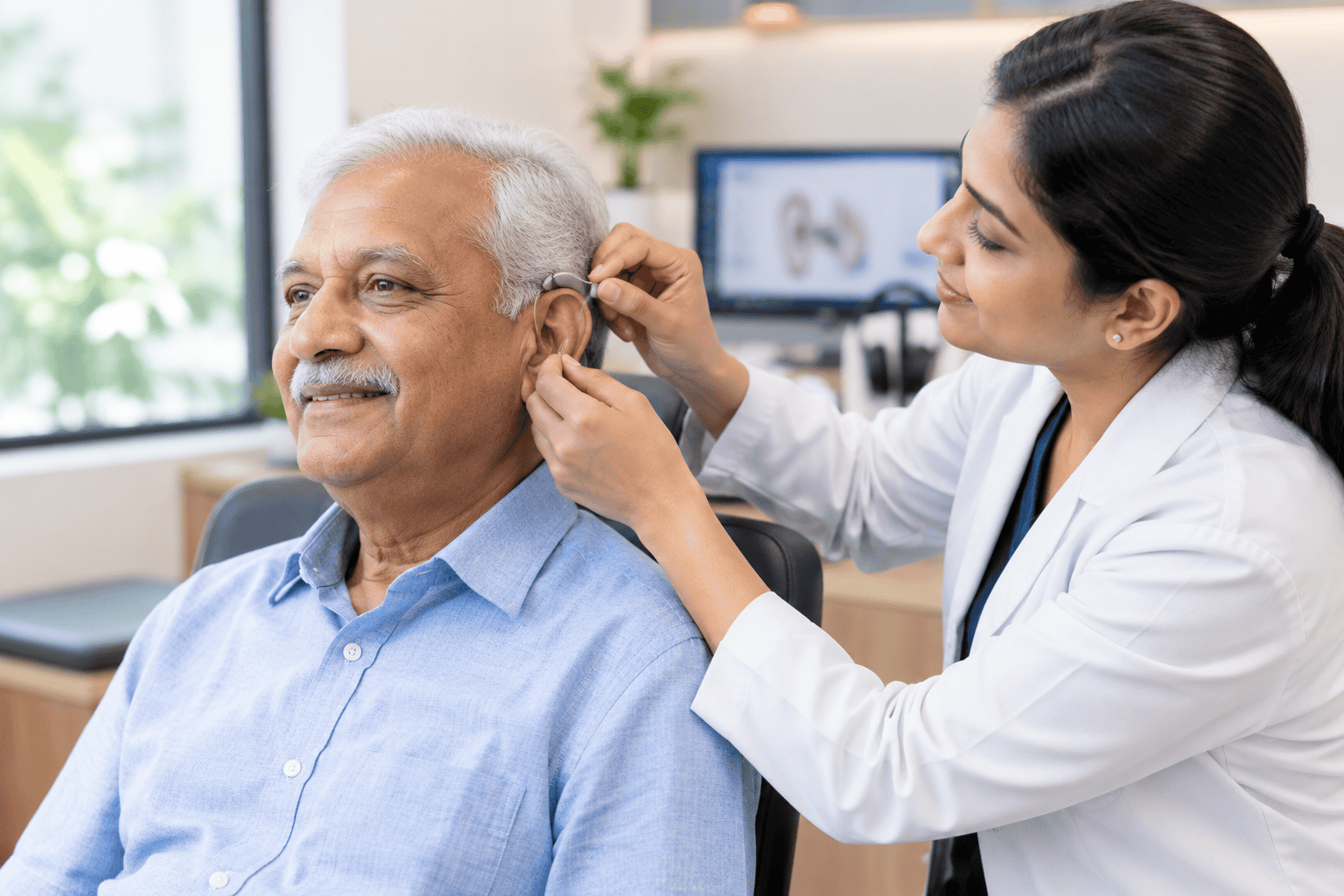
A hearing test is a more detailed assessment of hearing ability. Depending on the person’s concerns, a hearing-care professional may perform different assessments to understand how well the person hears sounds across different frequencies and levels.
A hearing test may also provide information that helps a professional understand the nature and degree of a hearing difficulty.
The exact tests performed can vary from person to person. The professional may first discuss your hearing history and concerns before deciding which assessments are appropriate.
This is one of the most important points when comparing hearing test vs hearing screening: a hearing test is generally designed to provide more detailed information.
What Happens During a Hearing Test?
The process can vary depending on the individual’s needs.
A hearing-care professional may begin by asking questions about your hearing, communication difficulties, previous hearing concerns, and other relevant information.
The assessment may then involve listening to different sounds through specialised equipment. The professional records the responses and uses the results to understand the person’s hearing profile.
After the assessment, the results can be explained and appropriate next steps can be discussed.
Hearing Test vs Hearing Screening: What Is the Main Difference?
The easiest way to understand hearing test vs hearing screening is to look at their purpose.
A hearing screening is generally an initial check designed to identify whether there may be a hearing concern.
A hearing test is generally a more detailed assessment that can provide additional information about hearing ability.
Here is a simple comparison:
| Feature | Hearing Screening | Hearing Test |
|---|---|---|
| Main purpose | Initial hearing check | Detailed hearing assessment |
| Typical approach | Quick screening | More comprehensive evaluation |
| Level of information | Initial indication | More detailed hearing information |
| May identify a possible concern | Yes | Yes |
| May lead to further assessment | Yes | Depending on findings |
| Suitable for | Initial checks and concerns | Detailed evaluation when appropriate |
The exact procedures and duration can vary depending on the person and the professional assessment.
Hearing Test vs Hearing Screening: Which One Do You Need?
There is no single answer that applies to everyone.
If you simply want an initial check because you are unsure whether your hearing has changed, a hearing screening may be an appropriate starting point.
If you already have persistent hearing difficulties, a more detailed hearing test may be appropriate.
For example, someone who regularly struggles to understand conversations may need more than an initial screening. A hearing-care professional can consider the person’s symptoms and recommend an appropriate assessment.
When considering hearing test vs hearing screening, your individual circumstances are important.
A screening and a hearing test should not necessarily be viewed as alternatives where one is always better than the other. They can have different roles within the hearing-care process.
Signs That You May Need a Hearing Check
People often become accustomed to gradual changes in hearing and may not immediately recognise that their hearing has changed.
Some everyday signs that may indicate it is worth discussing your hearing with a professional include:
Frequently Asking People to Repeat Themselves
If you regularly ask family members, friends, or colleagues to repeat what they have said, it may be worth having your hearing checked.
Occasional difficulty is common, especially when there is background noise. However, frequent problems following conversations should not simply be ignored.
Turning Up the Television
If you regularly need the television volume higher than other people prefer, it may be useful to discuss your hearing with a professional.
This does not automatically mean that you have hearing loss, but it can be one reason to consider an assessment.
Difficulty Understanding Speech in Noise
Restaurants, weddings, markets, family gatherings, and other busy environments can make conversations challenging.
If you regularly struggle to understand speech when background noise is present, a professional hearing assessment can help you better understand your hearing ability.
Noticing a Change in Hearing
A noticeable or persistent change in hearing is a good reason to seek professional advice.
Depending on the situation, the professional may suggest a screening, a detailed hearing test, or another appropriate form of assessment.
Hearing Test vs Hearing Screening for Children
Hearing checks can also be important for children.
Young children may not always be able to explain that they are having difficulty hearing. Parents, teachers, or caregivers may instead notice changes in how a child responds to sounds or follows spoken instructions.
A hearing screening can provide an initial check. If a concern is identified, further assessment may be recommended.
The approach used for a child can depend on their age and ability to participate in the assessment.
Parents in Sirsa, Hisar, Rohtak, Hanumangarh, and Bathinda who have concerns about their child’s hearing can speak with a qualified hearing-care professional about an appropriate assessment.
Does a Hearing Screening Replace a Hearing Test?
This is another important part of hearing test vs hearing screening.
A screening generally provides an initial indication of whether there may be a hearing concern. It does not necessarily provide the same level of information as a comprehensive hearing evaluation.
If a screening indicates a possible concern, further assessment may be recommended.
Similarly, if you already have ongoing hearing difficulties, you may need a more detailed evaluation rather than relying only on a screening.
The appropriate approach depends on your individual circumstances.
How Long Does a Hearing Screening Take?
A hearing screening is generally quicker than a comprehensive hearing evaluation. However, the exact time can vary depending on the screening method, the person’s age, and other circumstances.
A professional can explain what will happen before the screening begins.
How Long Does a Hearing Test Take?
The duration of a hearing test can also vary.
Some assessments may require only a limited amount of time, while a more detailed evaluation may involve several components.
The professional can explain the expected process based on the person’s hearing concerns and the type of assessment being performed.
Therefore, when considering hearing test vs hearing screening, duration should not be the only factor you consider. The purpose and level of assessment are also important.
Can an Online Hearing Check Replace Professional Assessment?
Online hearing checks are available, but they should not automatically be considered a replacement for an appropriate professional hearing evaluation.
The conditions under which an online check is performed can vary, including the device, headphones, environment, and testing method.
If you have persistent hearing concerns, discussing them with a qualified hearing-care professional can provide a more appropriate way to understand what assessment may be needed.
This is particularly important when deciding between hearing test vs hearing screening.
Hearing Care in Sirsa, Hisar, Rohtak, Hanumangarh and Bathinda
If you are looking for hearing-care services in Sirsa, understanding the difference between screening and testing can help you ask informed questions before your appointment.
People searching for hearing services in Hisar may also benefit from professional guidance if they have noticed changes in their hearing.
Similarly, residents of Rohtak, Hanumangarh, and Bathinda can seek professional advice if they or a family member are experiencing difficulty hearing.
Hear At Home aims to make hearing-care services more accessible and convenient for people looking for professional hearing support.
If you are unsure whether you need a screening or a detailed evaluation, discussing your concerns with a qualified professional can help determine an appropriate next step
Final Thoughts
The difference between a screening and a detailed hearing evaluation becomes clearer when you understand their purposes.
A hearing screening is generally a quick initial check that can identify whether a possible hearing concern may require further assessment. A hearing test can provide more detailed information about hearing ability and may be appropriate when someone has persistent concerns or requires a comprehensive evaluation.
Understanding hearing test vs hearing screening can help you take a more informed approach to hearing care.
If you or someone in your family is frequently asking others to repeat themselves, struggling with conversations, increasing the television volume, or noticing a change in hearing, consider speaking with a qualified hearing-care professional.
For people in Sirsa, Hisar, Rohtak, Hanumangarh, and Bathinda, Hear At Home can provide professional guidance regarding hearing-care options and appropriate assessments.
Quick Summary
-
A hearing screening is generally an initial check.
-
A hearing test provides more detailed information about hearing.
-
A screening may indicate that further assessment is appropriate.
-
A hearing test can help provide a more complete picture of hearing ability.
-
The appropriate assessment depends on the individual’s circumstances.
-
Persistent changes or concerns about hearing should be discussed with a qualified professional.
Hear At Home — making professional hearing care more convenient.